Gifted and Talented Programming
Our Philosophy: Giftedness in Action
At Pagosa Peak Open School, we recognize that gifted and talented students have unique academic, social, and emotional needs. Our Project-Based Learning (PBL) and Place-Based Education models provide a natural environment for these students to thrive. Rather than just “doing more work,” our GT students dive deeper—applying their advanced reasoning and creativity to solve real-world problems that impact our Pagosa Springs community.
“We believe every student deserves a ‘ceiling-less’ education where their curiosity and passion drive their growth.” – Emily Murphy, school director
Identification Process
PPOS follows the Colorado Department of Education (CDE) guidelines for identifying giftedness. We look for a Body of Evidence to ensure we see the whole child, not just a test score.
The Referral Pathway
Identification can be initiated through three different channels:
- Teacher Referral: Educators observe exceptional potential in the classroom.
- Parent Referral: Families share insights into a child’s unique interests and advanced abilities outside of school.
Universal Screening: PPOS conducts universal screening (in second and sixth grade) to identify hidden potential across all student populations.
The Body of Evidence
To be formally identified, we collect data across four areas:
-
- Cognitive Ability: Nationally normed tests (like the CogAT or NNAT).
- Academic Achievement: Exceptional scores on assessments like NWEA MAP or CMAS (95th percentile or higher).
- Behavioral Characteristics: Observation scales and checklists completed by teachers and parents.
Performance Evaluation: Portfolios of work, juried performances, or advanced project outcomes.
The Advanced Learning Plan (ALP)
Once a student is identified, we collaborate with the family to create an Advanced Learning Plan (ALP). This is a living document that outlines:
- Annual Achievement Goals: Targeted growth in the student’s area of giftedness (e.g., Math, Language Arts, or Creative Thinking).
- Social-Emotional (Affective) Goals: Support for the unique emotional traits of gifted learners, such as perfectionism, intensity, or leadership development.
Differentiated Strategies: Specific ways the classroom Advisor will “stretch” the student’s learning during daily core time and project work.
How We Serve GT Students
Because PPOS is a multi-age, project-based school, our GT programming is integrated into the heart of the school day:
- Depth and Complexity: Within projects, GT students are challenged to analyze topics through different “lenses,” such as looking at historical patterns or ethical dilemmas.
- Individualized Pacing: Our small class sizes allow Advisors to provide “just-right” instruction, ensuring students aren’t waiting for the rest of the class to catch up.
- Peak Week Intensives: Our June intensives allow students to follow their passions into deep, specialized areas of study.
- Social-Emotional Support: We utilize restorative practices and small-group check-ins to support the “whole human” aspect of being a gifted learner. In addition, students identified as gifted get together as a group on a regular basis, and have group goals around things like Battle of the Books competitions, field trips designed around group interests, and gifted nights where students and their families learn more about the gifted mind in a fun and educational setting.
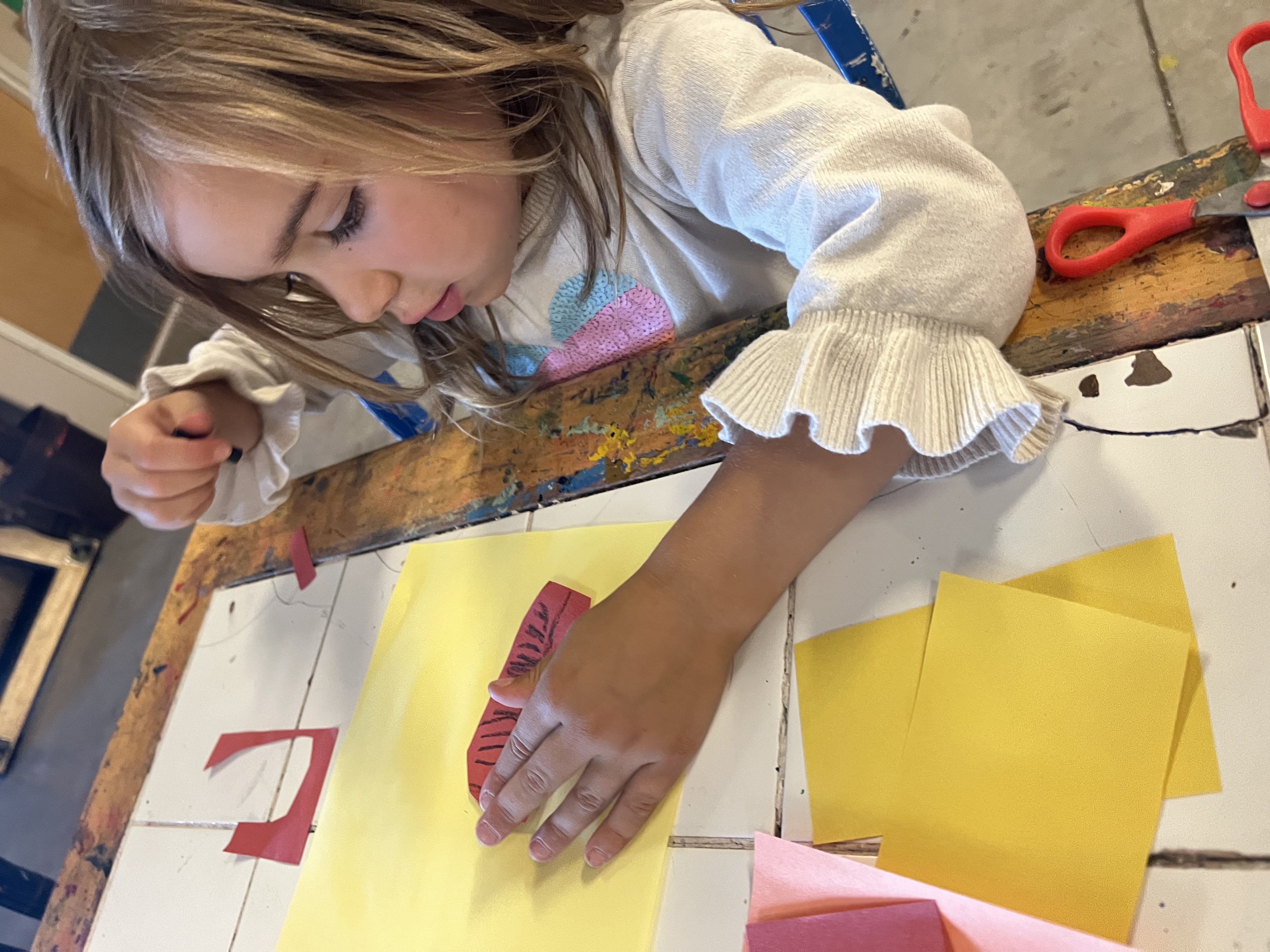
- Genius Hour: Independent projects with support from our GT Coordinator allow students to use their creativity and critical thinking to dive deeper into their passion areas.
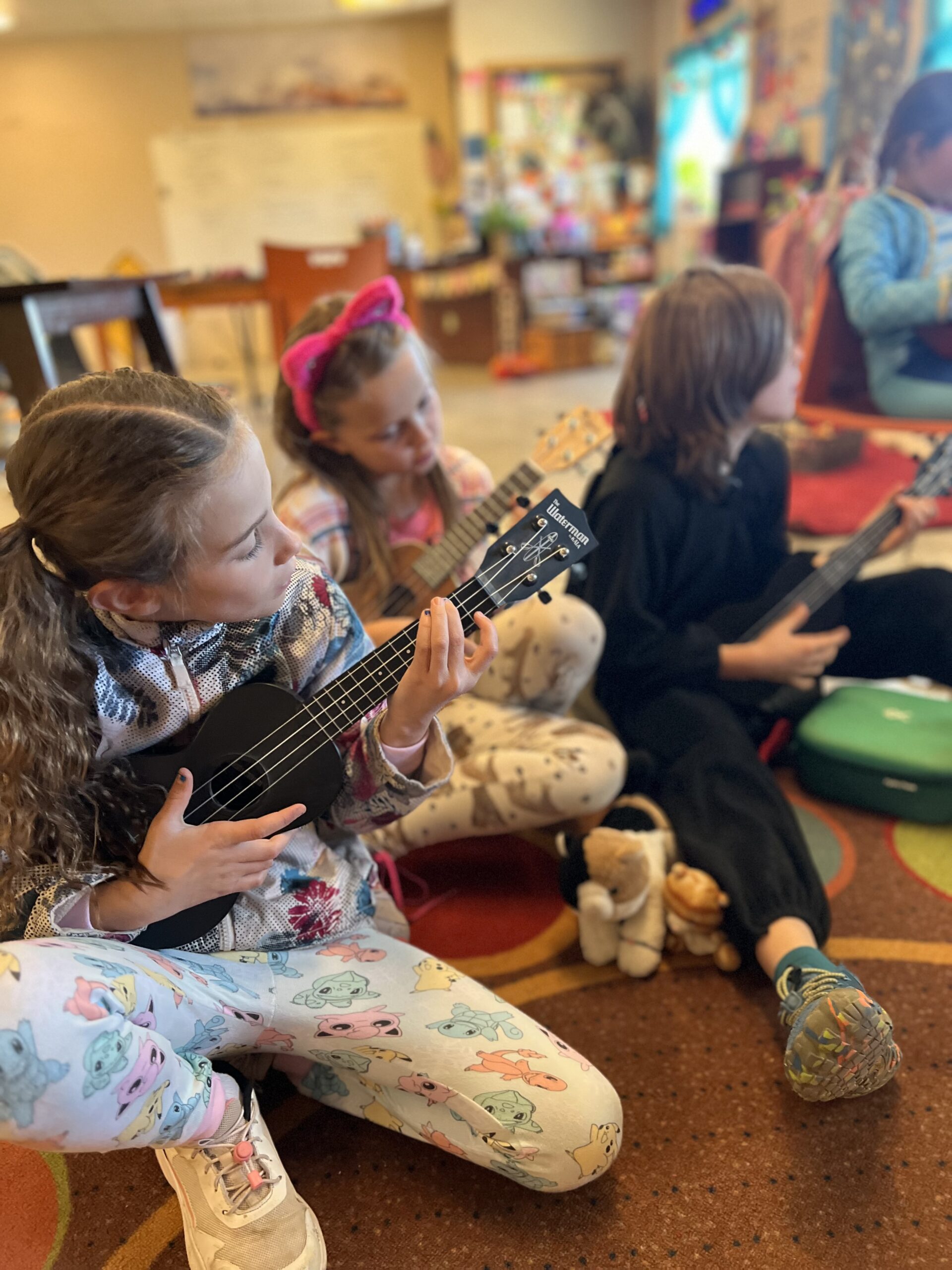
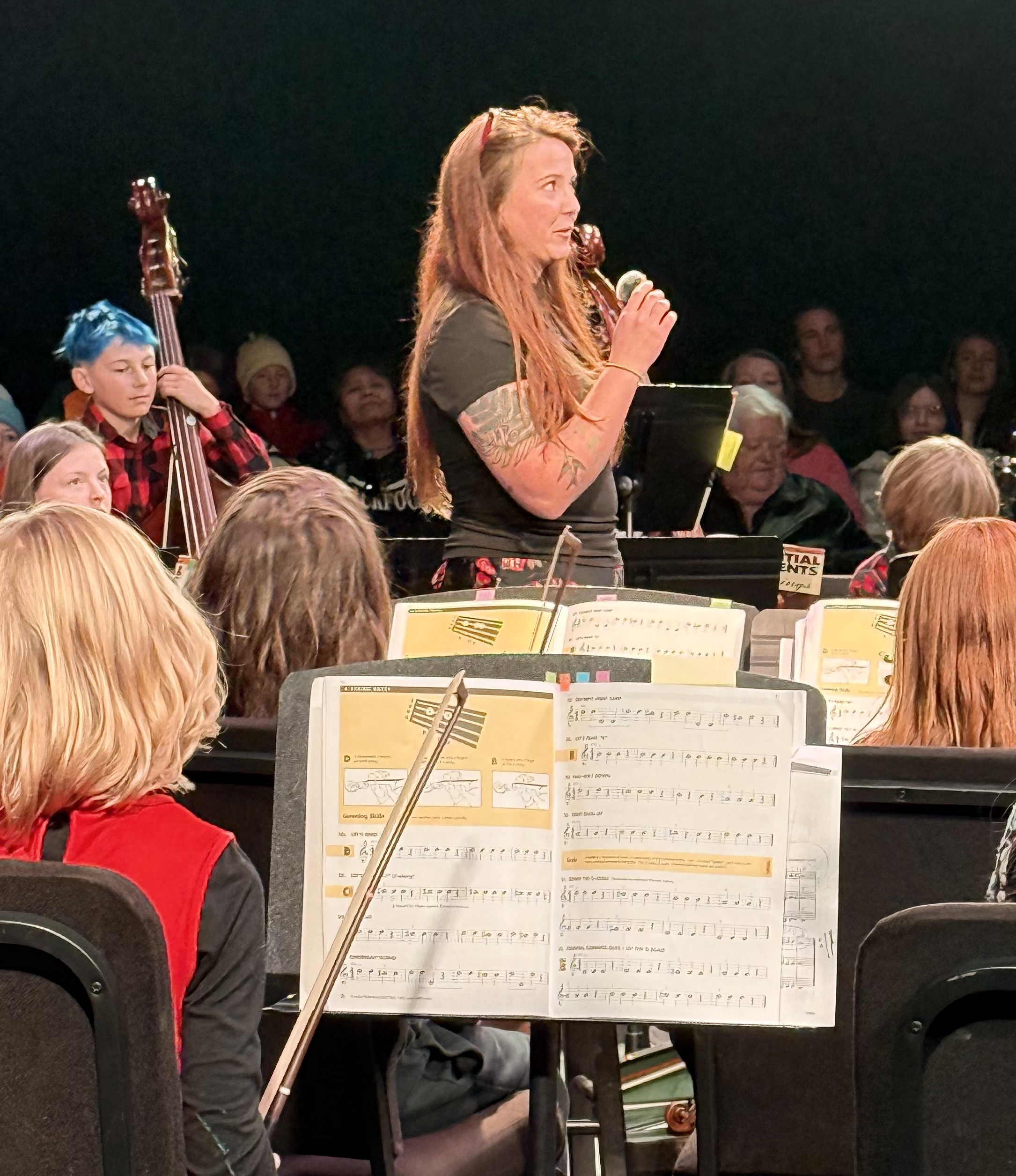
- Enrichment Programming: Our students engage in their passion areas outside of the typical school hours, with options for Drama Club or Orchestra Club throughout the year. Students participate in not only learning music and theatre, but also perform on a public stage to share their talents with the community.
Family Resources
Archuleta School District GT Handbook: View our partner district’s detailed policies.
Colorado Association for Gifted and Talented (CAGT): A resource for parent advocacy and support.
NAGC: Supporting Emotional Needs of the Gifted: Articles and tips for parenting gifted children.